
Do Portable Toilets Smell? Truth Vs Myth
Do portable toilets smell? While they are often associated with unpleasant odors, modern advancements in design and maintenance significantly reduce this issue. Factors like advanced deodorizers, effective ventilation, and regular cleaning practices play a crucial role in odor control. Additionally, eco-friendly chemicals and antimicrobial surfaces enhance hygiene, making portable toilets more pleasant than many assume.
Key Takeaways
Key Takeaways
- Modern odor control technologies and ventilation systems can make portable toilets odor-free.
- Regular cleaning and maintenance are essential for minimizing odors and enhancing user experience.
- High-quality deodorizers effectively neutralize odors instead of just masking them.
- Proper disposal of sanitary products by users plays a significant role in maintaining low odor levels.
- Advanced sanitation technologies incorporate eco-friendly chemicals and antimicrobial surfaces for improved hygiene.
The Origins of Porta-Potty Odor

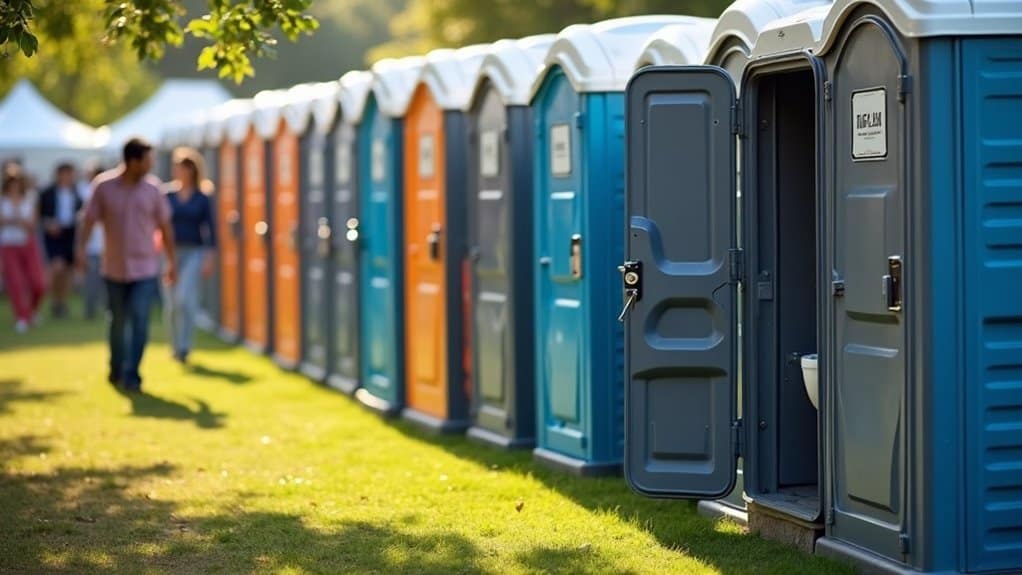
The unmistakable odor of porta-potties often comes from the combination of chemical treatments and human waste. When you’re tasked with maintaining these units, understanding the source of the smell helps you address it effectively.
The blue liquid you notice isn’t just there for color. It’s a specialized chemical designed to minimize odors and break down waste. Despite its purpose, the scent can be overpowering when mixed with contents after frequent use.
As someone who cares about serving others, ensuring a pleasant experience means regularly cleaning and revitalizing the chemicals. By doing so, you help create a more comfortable environment for everyone. Additionally, proper maintenance is essential for keeping portable toilets in excellent condition and minimizing unpleasant odors.
Key Factors Contributing to the Smell
In addition to the effectiveness of the chemical deodorizer and the design of the ventilation system, other factors can also play a significant role in the overall odor experience inside a portable toilet.
Chemical Deodorizer Effectiveness
Despite their reputation, portable toilets don’t have to smell unpleasant if effective chemical deodorizers are used. Choosing the right deodorizer is key to keeping odors at bay and ensuring a pleasant experience for users.
You’ll want to select a product specifically designed to neutralize odors rather than just masking them. These deodorizers work by breaking down waste and controlling bacteria, which are primary odor sources.
Remember, an effective deodorizer should be long-lasting and suited for the volume and frequency of use the toilet will experience.
Ventilation System Design
While selecting the right chemical deodorizer plays an essential role in managing odors, a well-designed ventilation system greatly contributes to keeping portable toilets fresh. You want to guarantee the air inside circulates effectively, reducing the buildup of unpleasant smells.
By incorporating strategically placed vents, you’ll promote airflow and help odors escape quickly rather than linger. This thoughtful design not only serves users by enhancing their comfort but also shows respect for their well-being.
When planning for ideal ventilation, consider the placement of vents at higher points, allowing warm, odorous air to rise and exit efficiently.
Additionally, using materials that resist corrosion and block odor absorption further enhances the system. Your attention to these details can make a significant difference in user satisfaction and public hygiene.
Common Misconceptions About Portable Toilets

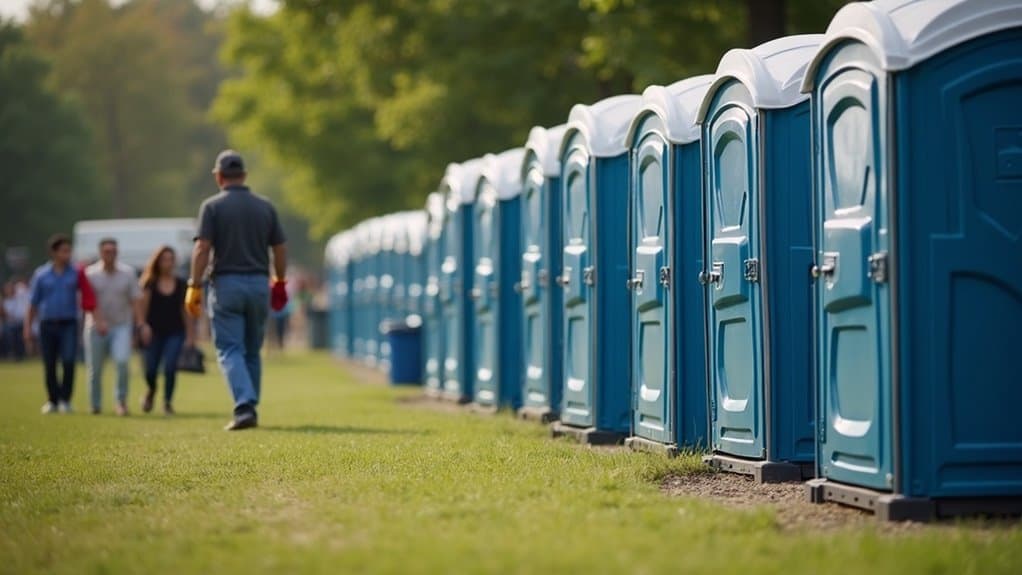
One prevalent misconception is the assumption that portable toilets are always unpleasant to use. However, thanks to modern odor control technologies, that’s not the case. With regular maintenance and cleaning practices, these units can stay fresh and hygienic. Plus, modern design innovations have made them more comfortable and less odorous than ever before. Additionally, the commitment to high standards of cleanliness ensures that users have a positive experience with portable restrooms.
Odor Control Technologies
Although many assume that portable toilets inevitably come with unpleasant smells, modern odor control technologies have made significant strides in keeping these units fresh.
You can rely on innovative solutions that incorporate advanced chemicals to neutralize odors effectively. Bio-enzymatic cleaners break down waste and reduce the stink at its source, making them an environmentally friendly option.
Ventilation improvements also help manage air circulation, further minimizing unpleasant smells.
When you’re responsible for arranging facilities at an event or worksite, choosing units with these advanced technologies guarantees a more pleasant experience for everyone.
This attention to detail reflects your commitment to serving others by providing a comfortable, clean environment.
Maintenance and Cleaning Practices
Many people mistakenly believe that portable toilets are inherently dirty and difficult to maintain. However, with proper maintenance and cleaning practices, you can guarantee these facilities remain sanitary and pleasant for users.
Cleaning them regularly is essential, and it’s simpler than you might think. Use effective cleaning agents and follow a consistent schedule to prevent odor buildup.
It’s critical to empty waste tanks frequently, guaranteeing a fresh environment for the next user. Regular inspections help you identify any issues early, allowing for quick resolutions.
Modern Design Innovations
Beyond just maintaining cleanliness, the design of portable toilets has seen significant advancements, addressing common misconceptions about their functionality and comfort.
You might be surprised to learn how modern innovations have improved the user experience, making these facilities more inviting and practical for any event or location.
Here’s how:
- Improved Ventilation: Modern designs incorporate advanced ventilation systems that help minimize odors, ensuring a fresher atmosphere inside the unit.
- Enhanced Comfort: Ergonomic seating and spacious interiors offer a more comfortable experience, accommodating users of all sizes and needs.
- Eco-Friendly Features: Many portable toilets now include sustainable materials and water-saving technologies, promoting environmental responsibility.
The Role of Ventilation in Odor Control

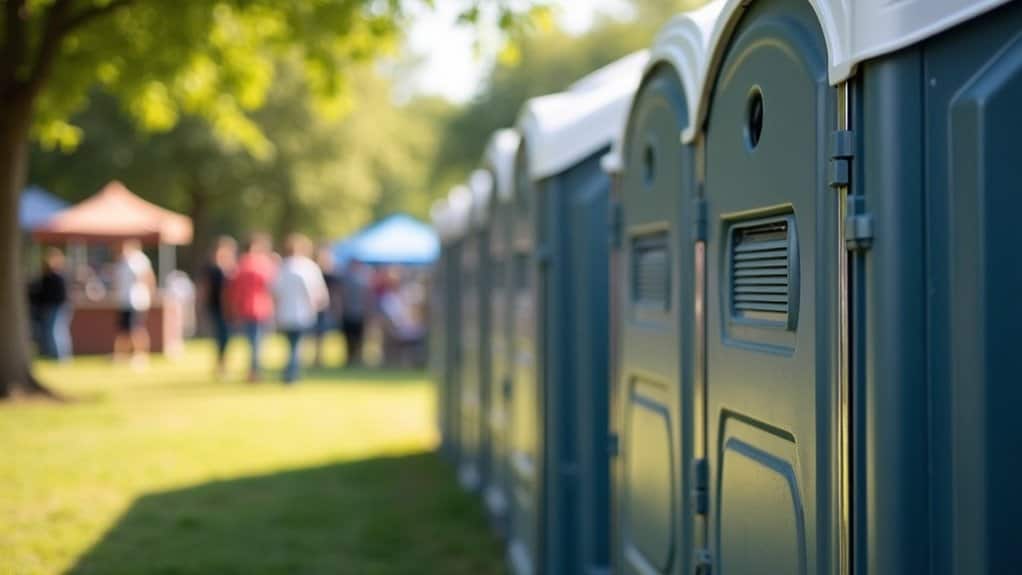
Effective ventilation is essential in minimizing odors in portable toilets. When you’re managing portable restroom services, prioritizing proper airflow can greatly enhance user experience. Ventilation helps keep the air inside fresh and prevents unpleasant smells from lingering. By confirming that vents are clear and functioning, you contribute to a more pleasant environment for those relying on these facilities.
To optimize odor control, regularly inspect and maintain vent systems. You might consider strategic placement of portable toilets to maximize natural airflow, further reducing odor retention. Additionally, utilizing clean, odor-controlled restrooms can significantly improve the overall sanitation experience for users.
People appreciate a clean and comfortable space, and your commitment to effective ventilation reflects your dedication to serving others. By focusing on ventilation, you guarantee every visitor feels respected and valued, enhancing their overall experience.
Advances in Sanitation Technology
As we delve deeper into the realm of sanitation technology, it’s essential to explore how these advancements not only enhance user experience but also contribute to environmental sustainability.
These innovations in portable toilets reflect a broader commitment to improving hygiene and reducing our ecological footprint.
Odor Control Innovations
While portable toilets have long been associated with unpleasant odors, recent advancements in sanitation technology are changing that perception.
You can now guarantee a more pleasant experience for everyone by understanding these odor control innovations. Here are three key advancements:
- Deodorizing Chemicals: Modern toilets use eco-friendly chemicals that neutralize odors rather than just masking them, guaranteeing a fresher environment.
- Ventilation Systems: Improved ventilation designs now allow for better air circulation, reducing the buildup of smelly gases and keeping the air inside fresh.
- Antimicrobial Surfaces: New materials are used in portable toilets that inhibit bacteria growth, the main culprits behind foul smells.
Modern Waste Disposal Techniques
Building on the innovations in odor control, modern waste disposal techniques in portable toilets have also seen remarkable progress. You can take comfort in knowing that today’s portable toilets incorporate advanced technologies to guarantee efficient waste management.
One major advancement is the use of eco-friendly chemicals that break down waste more effectively, reducing the need for frequent cleanings. Additionally, portable toilets now feature improved seal designs to prevent leaks and keep waste contained securely.
For those committed to serving others, these advancements mean you can provide sanitary facilities that promote the dignity and comfort of users. By choosing portable toilets with state-of-the-art waste disposal systems, you play a vital role in promoting public health and environmental sustainability, making a positive impact in any setting.
The Impact of Cleaning Frequency
Regular cleaning is essential in minimizing the odor of portable toilets. You can create a more pleasant experience for users by ensuring that these units are cleaned frequently. Here’s why it matters:
- Odor Control: Frequent cleaning helps prevent the buildup of waste and bacteria, which are the main culprits of bad smells. By scheduling regular maintenance, you’ll keep odors at bay.
- Health and Safety: A clean portable toilet isn’t just about smell; it’s vital for health. Regular cleaning reduces the risk of spreading harmful bacteria and viruses.
- User Satisfaction: When you prioritize cleaning, you’re showing users that their comfort and well-being matter. This attention to detail reflects positively on your event or service. Additionally, utilizing services from Houston Metro Portable Toilet Rentals ensures that you receive well-maintained units that meet high cleanliness standards.
Innovations in Odor-Reducing Chemicals
Innovative solutions are transforming how we tackle unpleasant odors in portable toilets. You can now rely on advanced odor-reducing chemicals to make the experience more pleasant for everyone. These chemicals work by breaking down odor-causing bacteria and neutralizing foul smells. They’re designed to be environmentally friendly, ensuring you’re not harming our planet while serving others.
You’ll find that these innovations include bio-enzymatic formulas, which naturally digest waste and markedly cut down on odor. Some products even incorporate pleasant fragrances, providing an extra layer of freshness. By using these cutting-edge solutions, you’re contributing to a cleaner and more comfortable environment for those who rely on portable toilets. Additionally, the use of advanced sanitation protocols ensures that every unit is clean and ready for use, further minimizing any unpleasant odors. It’s a simple way to make a big difference in someone’s day.
User Behavior and Its Effect on Odor
While advanced odor-reducing chemicals play a significant role in managing smells in portable toilets, user behavior is equally important in maintaining a pleasant environment.
Your actions can directly affect the odor levels. Here’s how you can help:
- Proper Disposal: Always use the designated waste receptacles for sanitary products and trash. Improper disposal clogs the system and increases odors.
- Close the Lid: Simple yet effective, closing the toilet lid after use helps contain odors within the unit, making it more pleasant for the next user.
- Report Issues: If you notice any maintenance needs like a full tank, report it promptly. Quick action guarantees the unit remains clean and odor-free. Additionally, being aware of the importance of cleanliness and sanitation protocols ensures a better experience for all users.
Environmental Considerations and Regulations
When considering the environmental impact of portable toilets, it’s crucial to account for both regulations and best practices aimed at minimizing ecological footprints.
You might be surprised to learn that portable toilets use less water than traditional flush toilets, making them a more sustainable choice for outdoor events and construction sites.
Regulations guarantee that waste is disposed of safely, preventing contamination of local ecosystems. Additionally, Myers Portable Toilets emphasizes the importance of maintaining clean, well-maintained units to further enhance sanitation and reduce odors.
Best Practices for Maintaining Odor-Free Units
Keeping portable toilets odor-free isn’t just about cleanliness; it’s about implementing smart practices that make a difference.
By focusing on a few key strategies, you can guarantee a pleasant experience for users.
- Regular Cleaning: Schedule consistent cleanings. This not only maintains hygiene but also prevents odors from building up.
- Proper Ventilation: Guarantee adequate airflow in the units. Good ventilation reduces humidity and helps dissipate any lingering smells.
- Use of Deodorizers: Employ high-quality deodorizers specifically designed for portable toilets. These products neutralize odors rather than just masking them.
Additionally, selecting a reputable contractor’s license ensures that the portable toilets are well-maintained and meet safety standards, further minimizing the risk of unpleasant odors.
Conclusion
In conclusion, portable toilets can indeed remain odor-free with the right understanding and practices in place. By prioritizing proper ventilation, utilizing advanced sanitation technologies, and promoting responsible user behavior, you can ensure a more pleasant experience. Remember, it’s possible to enjoy the convenience of portable toilets without the unpleasant smells often associated with them. For more tips on maintaining cleanliness and comfort in portable facilities, feel free to explore further resources.